Table of Content
I recommend that you allow the coffee grounds to dry, then scatter them lightly, as a mulch, around your plants. Avoid scattering them thickly when they are wet because clumps of coffee grounds have a tendency to get moldy. Water your plants with the aquarium water taken right out of the tank when cleaning it.

The ancients knew it, and modern science confirms it. If you need to repair or install plumbing, opt for copper instead of plastic. Plastic is fine for drain pipes, but good copper pipes will last a lifetime and help keep your water safe. When it gets chilly, your skin tends to become dry and lifeless. It is important to get rid of those dry skin cells, and to bring back the lost glow you need strawberry. Take two tablespoons of strawberry puree, one teaspoon of rice flour, add two teaspoons of yogurt to it and one vitamin E capsule.
How do you make manure fertilizer?
From time to time turn the mixture to homogenize the mixture’s uniform decomposition. Here are some helpful tips on how to make compost manure at home. I know in many areas they push for PEX because of ease of installation, but bacteria grow and breed on plastic surfaces that simply cannot grow on copper. Regular hand washing is important, but your sink may help keep you healthy in another way, too.
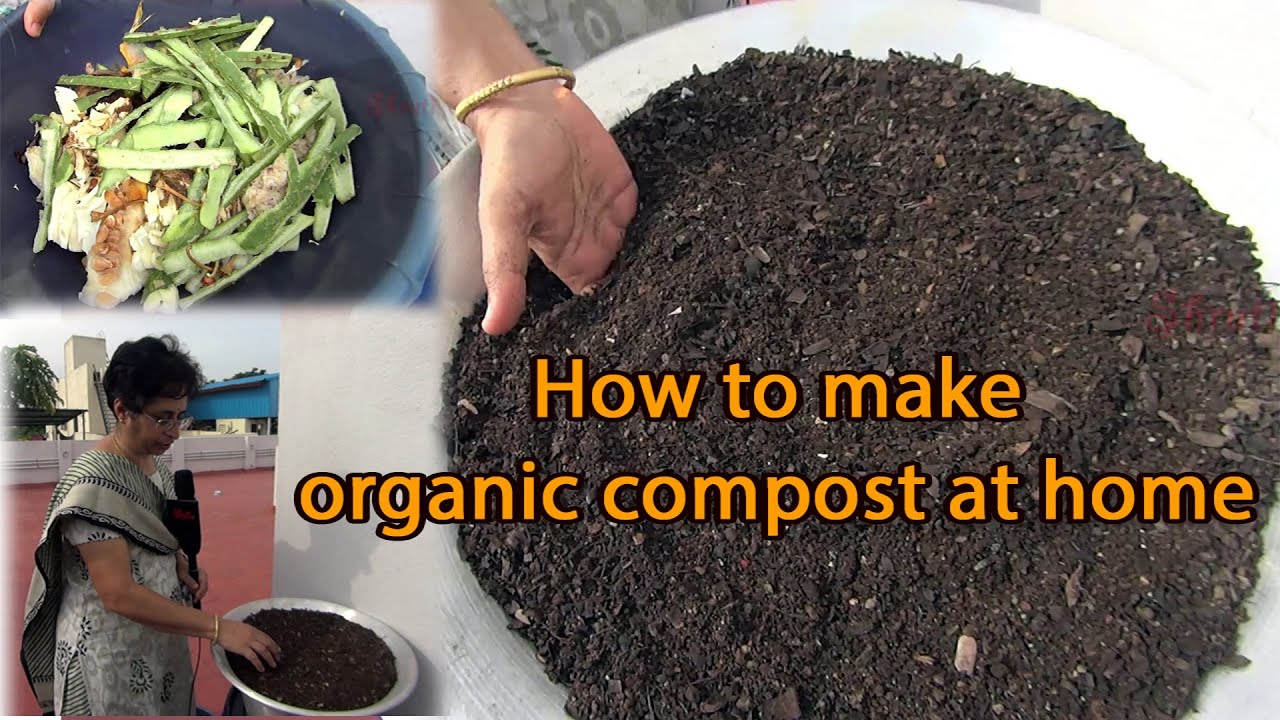
But if you want a more polished finish, now is the time to swipe on a nice, neutral shade to cap off your natural manicure. Cow, horse, chicken/poultry, sheep, goat, and llama manure are acceptable types of manure appropriate for use in vegetable gardens. There are differences in using raw, aged, and composted manure in a garden. Manure may be composted in a variety of means, for the home gardener, this is usually hot or cold composting. Farmyard manure , compost and green-manure are the most important and widely used bulky organic manures. Fruit and vegetable trimmings, coffee grounds and filters, and eggshells are great items for the compost pile.
Natural Fertilizer or Not—Less Is More
Bury your kitchen waste (fruit and vegetable peelings and cores, coffee grounds, etc.) covering the material as you go with soil or chopped leaves. Chopping the scraps with a shovel prior to covering will speed decomposition. The kitchen waste will feed soil animals and microorganisms increasing soil fertility. • Skipping the tea bag and adding the manure directly to the water usually speeds up the brewing process. Without a bag, the tea is usually ready within only a few days if you stir it thoroughly during this period. Once it has fully brewed, you will have to strain it to separate the solids from the liquid.
The temperature will typically rise within 24 hours after the bin is filled. As the thermophiles consume nutrients and oxygen, they produce enough heat to evaporate some of the moisture. Remove the top of the pile and harvest the compost at the bottom annually, or start a new pile when the first pile is 3'x3'x3'.
What are the materials required for manure?
Great post and forum here everyone, i stick to my tried and true eggshell tea, coffee grinds, and orange peels for my compost . I do a little grow op every year, and this does great for me, cant wait to try all the other suggestions on here. We cover all the garden beds with tons of seaweed taken right off the beach.

Readers like you are an inspiration for us to move Agri Journalism forward. We need your support to keep delivering quality Agri Journalism and reach the farmers and people in every corner of rural India. There are serious insect and weed problems when undecomposed compost is used.
Manure is derived naturally and adds a lot more than just nutrients to the soil. They increase the activity of the microbes in the soil and increase its fertility. Depending on how much you mix and turn the pile, it may take anywhere from three to six months for all the manure to turn into compost. At the downhill end of the composting area so any water running off the pad can run through the grass and soak in.
As the soil absorbs manure, nutrients are released. This enriches the soil, which in turn helps the plants. One of the most important benefits of using manure in the garden is its ability to condition the soil. Another fertilizer with a thousand-year pedigree. Not only is seaweed an all-purpose organic fertilizer but it also contains mannitol.
Use it to make compost tea, which has multiple benefits to plants and soil. Locate compost bins and piles away from trees to reduce the likelihood of roots growing into the compost. You can trench compost kitchen waste throughout the year although the process slows significantly from November through March.
This is known as curing and will help stabilize the nutrients. In time, the volume of the original material will decrease. DO NOT add more raw materials unless the process is not working properly.
A weak solution of green tea can be used as a natural fertilizer to water plants every 4 weeks. If time permits, you can shred it into smaller pieces and add as it will fasten the process of composting. If it is too wet, add dry leaves and stir and if it is too dry add water and stir. Be it winter or summer, acne seems to stick around irrespective of the season.

Over a period of time, the decomposed matter converts into manure. Chicken manure is a rich source of nutrients and is best applied in fall or spring after it has had a chance to compost. Learn how to recycle weeds, seashells, beer grains and more to improve your soil, save money and grow organic vegetables, herbs and fruit. This 230-page eBook profiles many natural materials found inside and outside your home that can benefit your garden.
Interviews with Cindy Rajhel of Home Grown Fun
One twist is that I will also be adding some of the household “wastewater” I’ve been collecting and using in outdoor systems (including the vermi-filtration system). I still have the “holey bin” from my “Vermi-Fertilization & Watering System“. I’ve been planning to set it up as an in-ground worm bin – and still likely will – but figured it could serve as an effective HMM “brewing” vessel in the meantime.
May not be ready for planting when anticipated. Requires storage of some materials prior to use. Do not add branches and other woody materials unless they are chipped into small pieces. To speed up the process you can add an extra nitrogen (e.g., cottonseed meal, blood meal) source at each turning. Mix materials thoroughly; it's usually not helpful to layer materials.


No comments:
Post a Comment